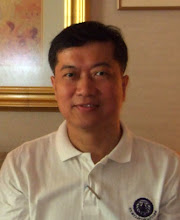
Is it legitimate, asks Thammasat lecturer
The Nation, 14 October 2006
The unwillingness of many Thai intellectuals and the middle class to question whether those who staged the coup had a legitimate right to do so is a reflection of their inability to distinguish between the Thaksin Shinawatra regime they wanted to bring down and the democratic system that became a casualty of the coup, Thammasat University philosophy lecturer Kasem Penpinand said yesterday.
"Their [the middle class] innocence leads to their inability to think things through [and has blinded them] from seeing opportunists," said Kasem during a symposium organised by Dome Daeng, a university students' group, on the legitimacy of the coup.
Kasem said the Thaksin dilemma was a problem within the democratic system but people had mistaken it as a problem of the democratic system.
"The overthrow of the entire [democratic] system was an act of violence," said Kasem in reaction to the often-made assumption that the coup was non-violent.
Those who stage a coup lose any legitimacy from the time they start thinking about orchestrating it, Kasem said.
The myth of the need for social unity has been exploited as a reason for staging the coup, he said. Fear of violent clashes was also often cited as a reason, but this was only speculation and an excuse, he added.
Sirote Klampaiboon, a doctoral candidate in political science at the University of Hawaii, said one coup leader was quoted by a local newspaper as saying the coup was being prepared seven months before it took place.
This, he said, indicated the claim that the coup was staged as a last resort was a mere excuse.
He said it was well known that before the coup a number of Army officers were unhappy about the military reshuffle planned by Thaksin. "This coup is no accident," he said.
Sirote also criticised members of civil society who are lending the coup leaders a hand by joining them in drafting a new constitution - thus "cushioning" the military from future criticism.
Some noted academics have also been giving support to the coup by calling it Thai-style democracy, but Sirote said there was no such thing as Thai-style democracy - just Thai-style dictatorship.
Thanet Wongyanawa, a political scientist at Thammasat University, warned that the present restrictions on the movement of rural people or groups to Bangkok under martial law may backfire.
He said Thai society had fallen into a trap of believing in national unity to the point of being unable to tolerate social differences. "I think we're singing the national anthem too often," he said.
Prinya Thewanaruemitkul, a law lecturer at the university, was more accommodating towards the military rulers, saying the measure for the junta's legitimacy will lie in whether they succeed in seizing Thaksin's alleged "ill-gotten wealth".
He warned the junta not to spend too much time drafting the constitution and said the fact that about half of the junta-appointed charter-drafting committee were military men and bureaucrats was a bad sign.
Pravit Rojanaphruk
The Nation
The Nation, 14 October 2006
The unwillingness of many Thai intellectuals and the middle class to question whether those who staged the coup had a legitimate right to do so is a reflection of their inability to distinguish between the Thaksin Shinawatra regime they wanted to bring down and the democratic system that became a casualty of the coup, Thammasat University philosophy lecturer Kasem Penpinand said yesterday.
"Their [the middle class] innocence leads to their inability to think things through [and has blinded them] from seeing opportunists," said Kasem during a symposium organised by Dome Daeng, a university students' group, on the legitimacy of the coup.
Kasem said the Thaksin dilemma was a problem within the democratic system but people had mistaken it as a problem of the democratic system.
"The overthrow of the entire [democratic] system was an act of violence," said Kasem in reaction to the often-made assumption that the coup was non-violent.
Those who stage a coup lose any legitimacy from the time they start thinking about orchestrating it, Kasem said.
The myth of the need for social unity has been exploited as a reason for staging the coup, he said. Fear of violent clashes was also often cited as a reason, but this was only speculation and an excuse, he added.
Sirote Klampaiboon, a doctoral candidate in political science at the University of Hawaii, said one coup leader was quoted by a local newspaper as saying the coup was being prepared seven months before it took place.
This, he said, indicated the claim that the coup was staged as a last resort was a mere excuse.
He said it was well known that before the coup a number of Army officers were unhappy about the military reshuffle planned by Thaksin. "This coup is no accident," he said.
Sirote also criticised members of civil society who are lending the coup leaders a hand by joining them in drafting a new constitution - thus "cushioning" the military from future criticism.
Some noted academics have also been giving support to the coup by calling it Thai-style democracy, but Sirote said there was no such thing as Thai-style democracy - just Thai-style dictatorship.
Thanet Wongyanawa, a political scientist at Thammasat University, warned that the present restrictions on the movement of rural people or groups to Bangkok under martial law may backfire.
He said Thai society had fallen into a trap of believing in national unity to the point of being unable to tolerate social differences. "I think we're singing the national anthem too often," he said.
Prinya Thewanaruemitkul, a law lecturer at the university, was more accommodating towards the military rulers, saying the measure for the junta's legitimacy will lie in whether they succeed in seizing Thaksin's alleged "ill-gotten wealth".
He warned the junta not to spend too much time drafting the constitution and said the fact that about half of the junta-appointed charter-drafting committee were military men and bureaucrats was a bad sign.
Pravit Rojanaphruk
The Nation
posted by Bob Boonhod @ 4:28 PM
0 comments